

What Are Slow Cooked Oats
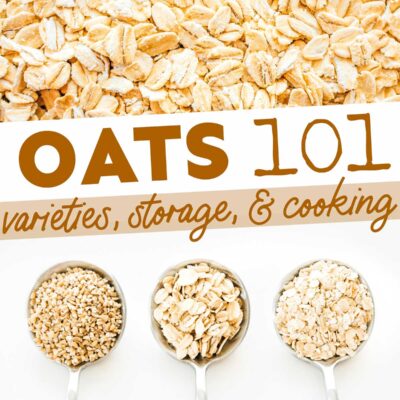
Everything you need to know about oats, including the variations of oats, how to cook them, flavors to add, and nutrition information!
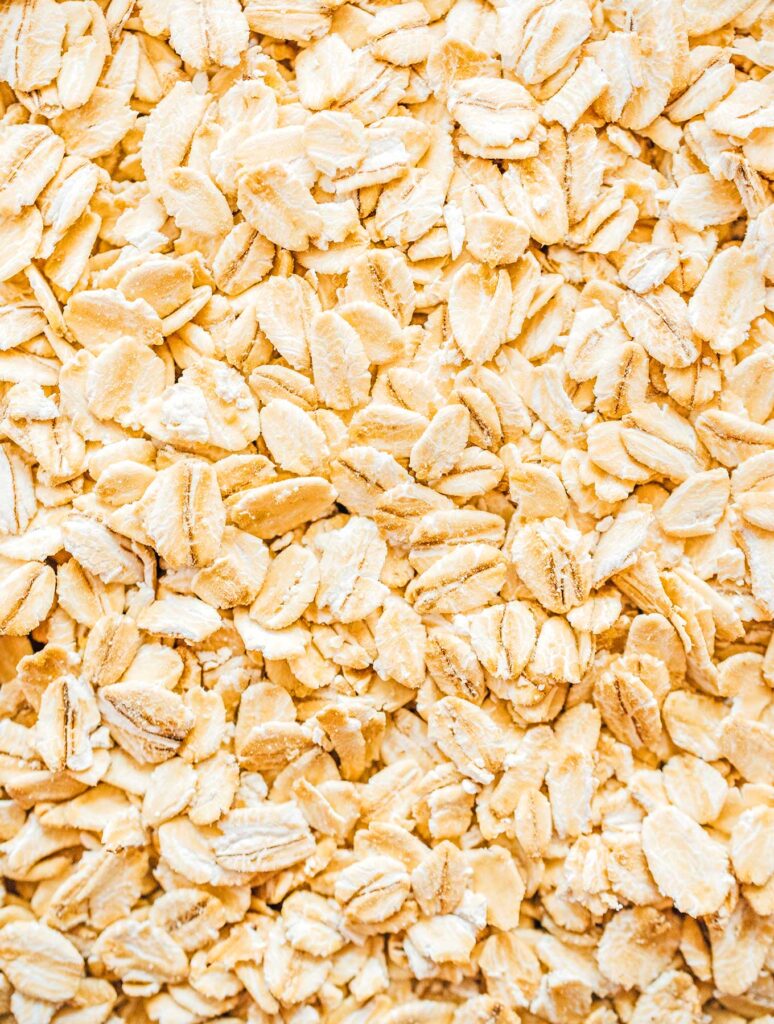
Growing up, oats always meant little brown packages of dinosaur egg instant oatmeal, but nowadays they're a blank canvas.
Oats are the creamy breakfast of lazy mornings, the thickener to smoothies, the foundation to cookies.
So before we jump into the oat-filled recipes I've got ready for you this week, let's walk through the basics of oatmeal!

What are oats?
Oats begin their journey as groats, the seed of a cereal grain. They're usually roasted to make them more shelf stable and to give them a toasty flavor, then processed in a number of ways.
Variations of Oats
Oats vary in how the groats are processed, and there are generally four ways this can go.
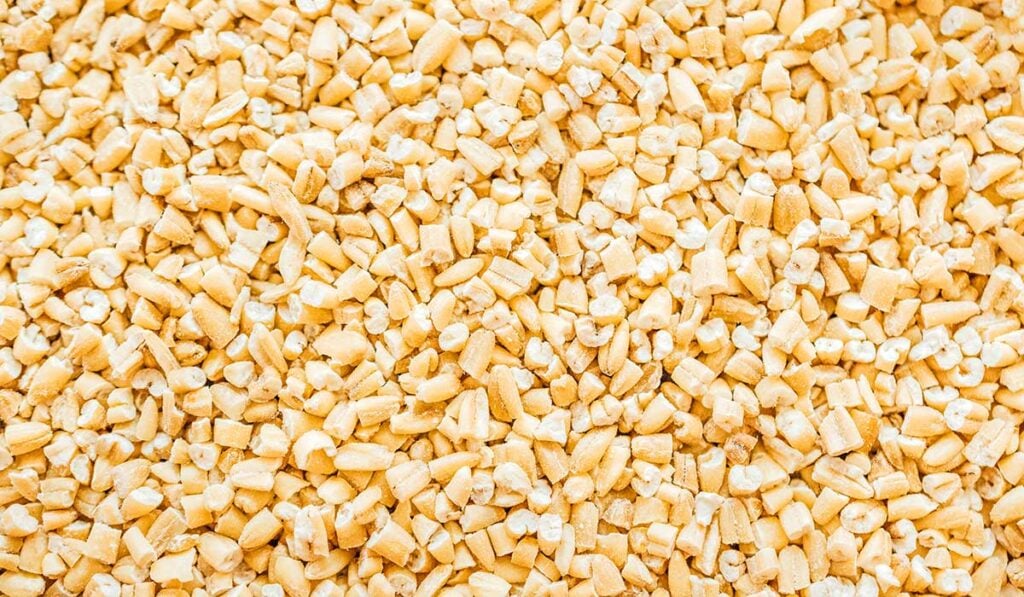
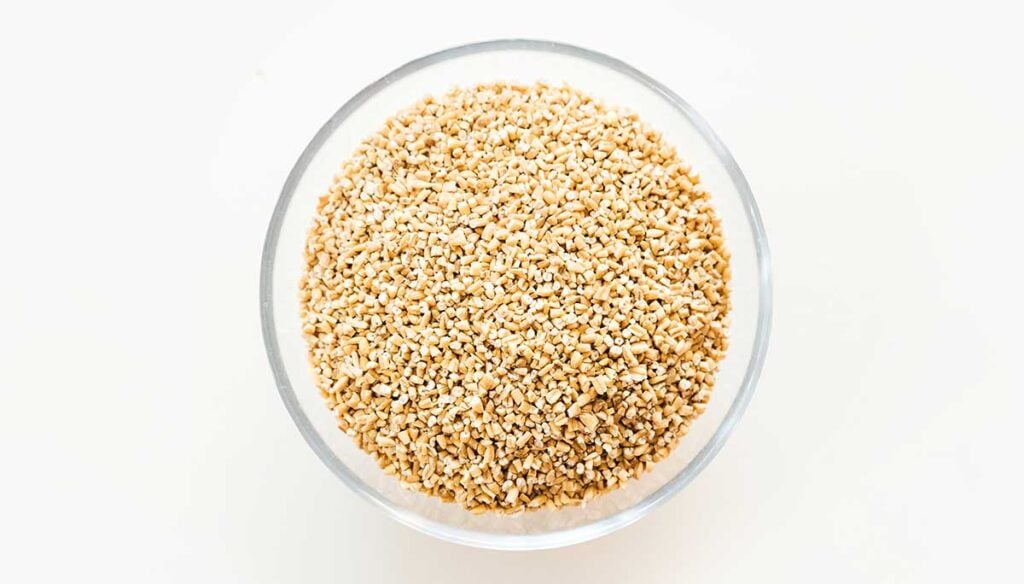
Steel-cut: Groats are cut up rather than rolled, giving them an almost rice-like appearance. Because the pieces are larger, they take the longest to cook and have a chewy texture.
Rolled(or old fashioned): The groats are steamed to make them pliable then flattened to create disc-like oats. These cook faster than steel-cut and absorb more liquid.
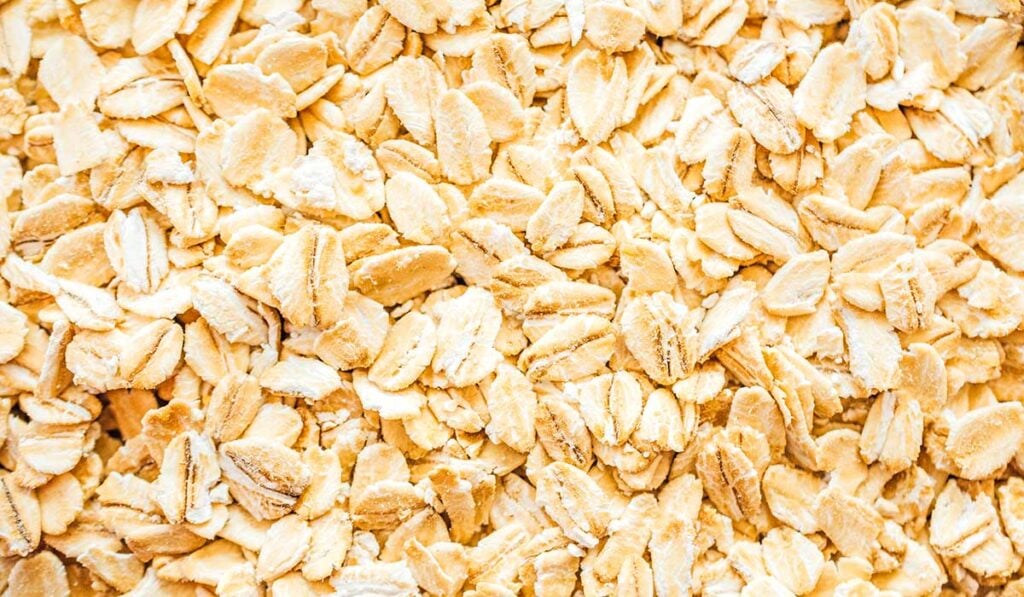
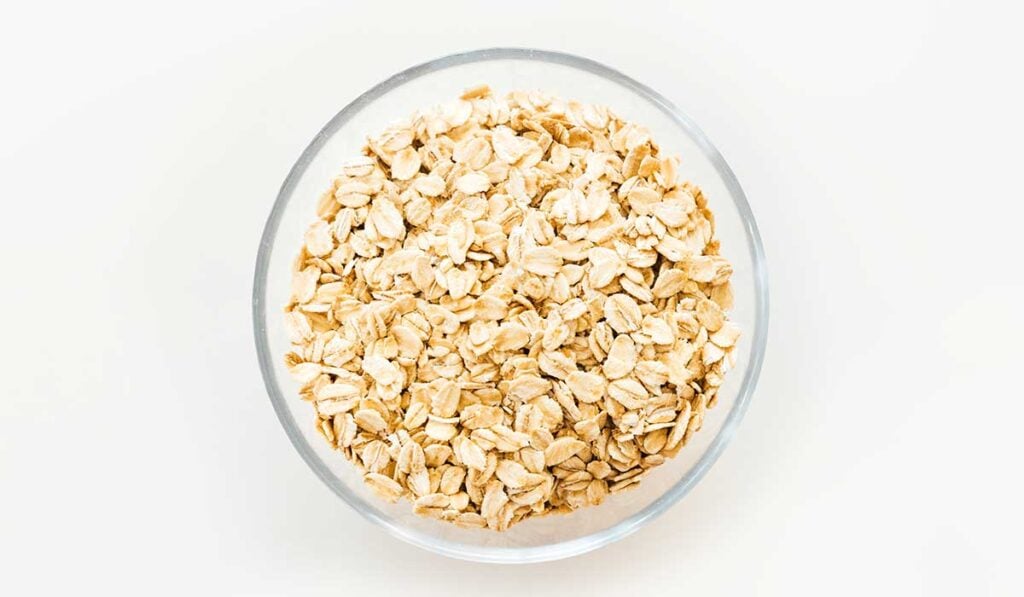
Instant: These are precooked and flattened even thinner than the rolled, making instant oats the quickest cooking variation. These don't hold their shape well, so the result will be a bit mushier.
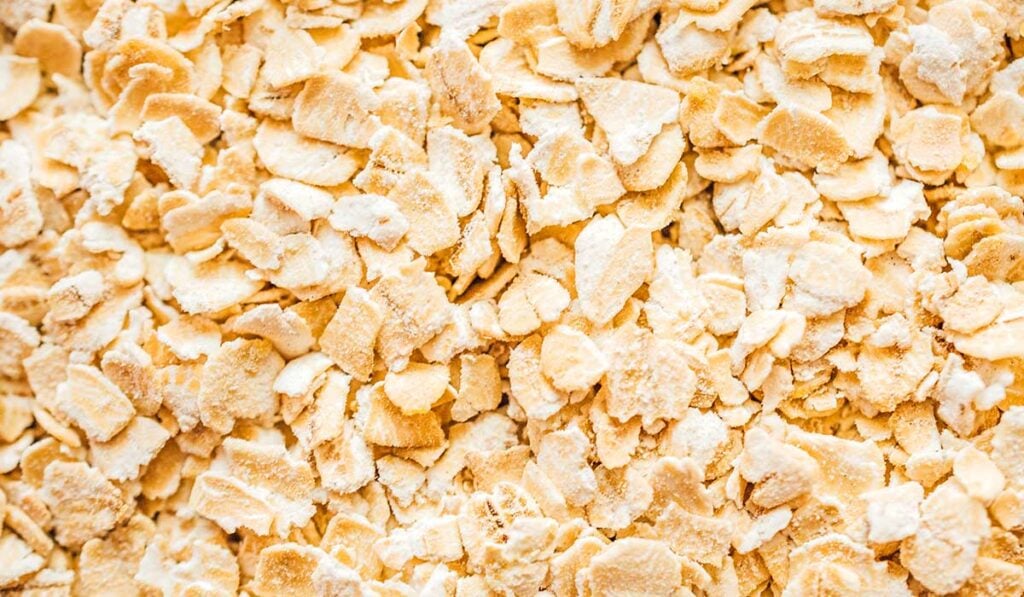
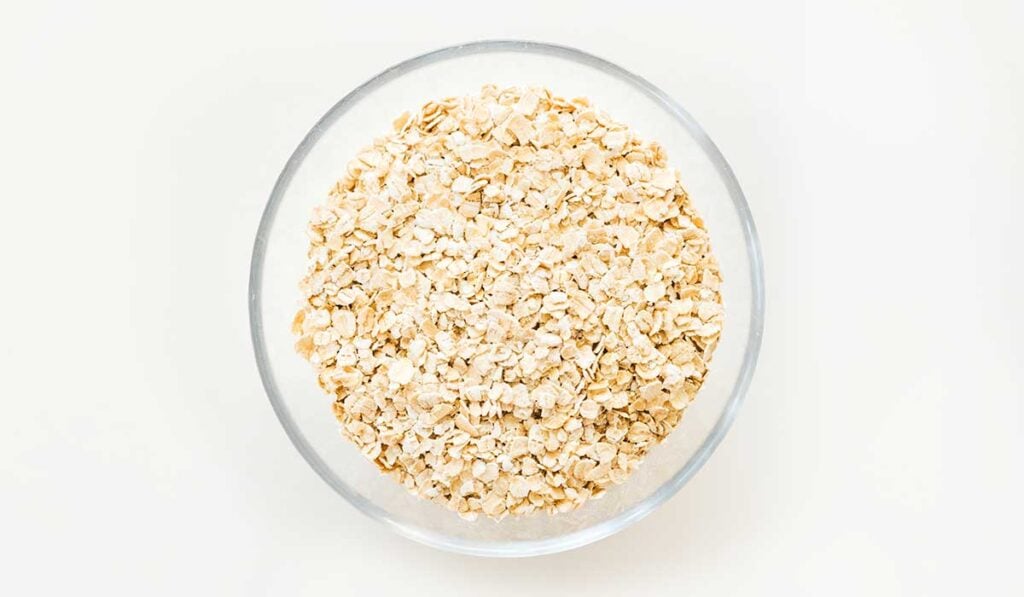
Oat flour: Groats are finely ground into a whole grain flour. This can be used in baking or for thickening soups and such.
And did you know that all four variations have the same nutritional values? They all start from the same groat, and are simply processed differently.
How to Cook Oats
Each variety of oatmeal requires slightly different cook times, with the less processed oats (steel-cut) needing more time than your finer variations (instant). Here are some handy tips for optimal oatmeal:
- Adding oats to cold water and bringing it to a boil will result in creamier oatmeal, while adding oatmeal to already boiling water will result in more textured oatmeal. Know what you're going for and cook accordingly!
- Be sure to add a pinch of salt! And experiment with adding spices like nutmeg, cloves, and cinnamon while you're at it.
- Try toasting the oats before boiling for an even toastier, nuttier flavor.
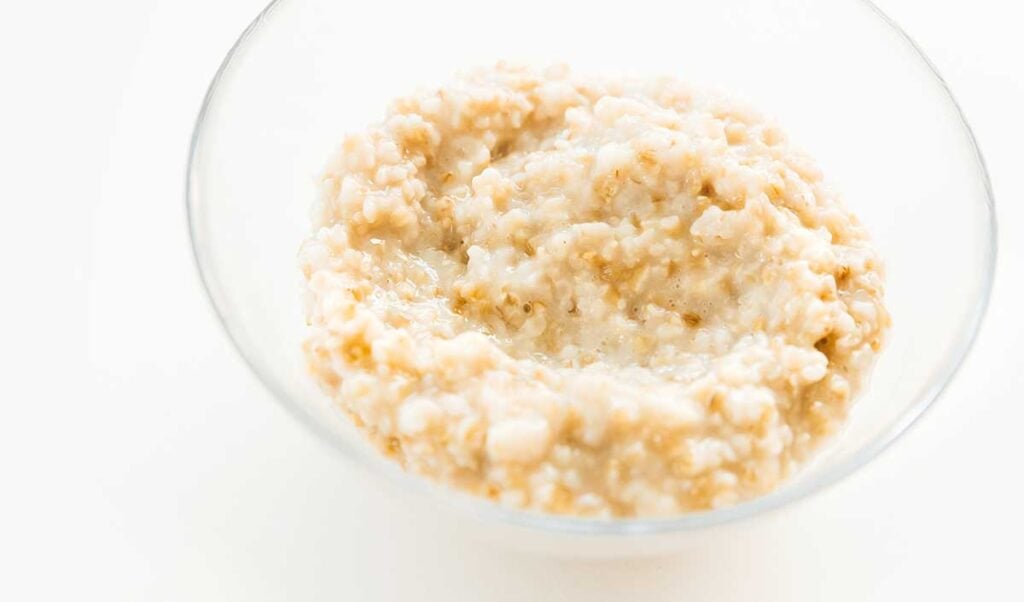
How To Cook Steel Cut Oats
Combine ¼ cup steel cut oats with 1½ cups water. Bring to a simmer, uncovered, and cook for 25 to 30 minutes, or until oats are tender and water is absorbed.
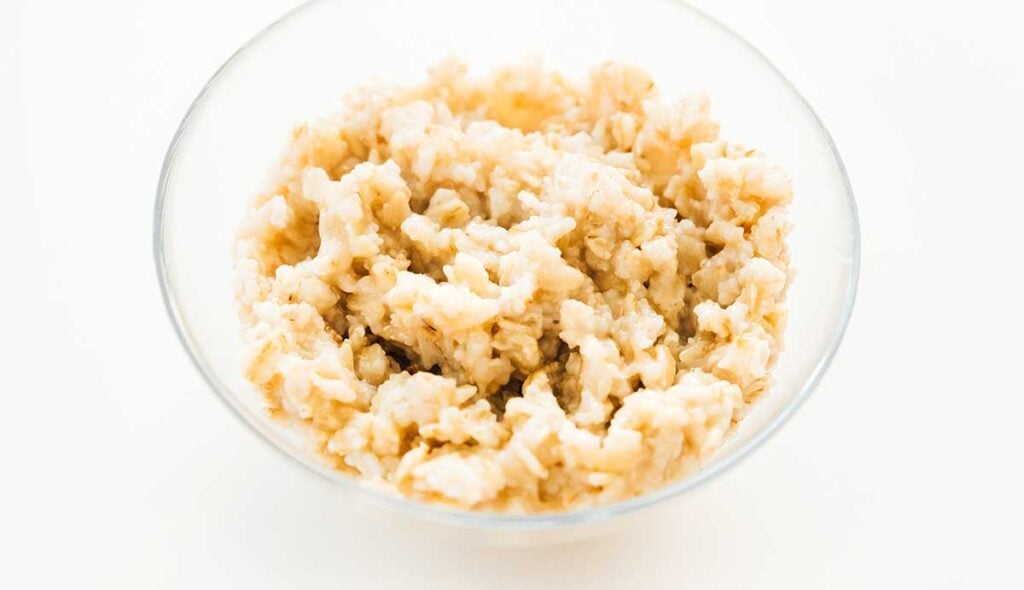
How To Cook Rolled Oats
Combine ½ cup rolled oats with 1 cups water. Bring to a simmer, uncovered, and cook for 5 minutes, or until oats are tender and water is absorbed. Alternatively, cook for 3 minutes in the microwave.
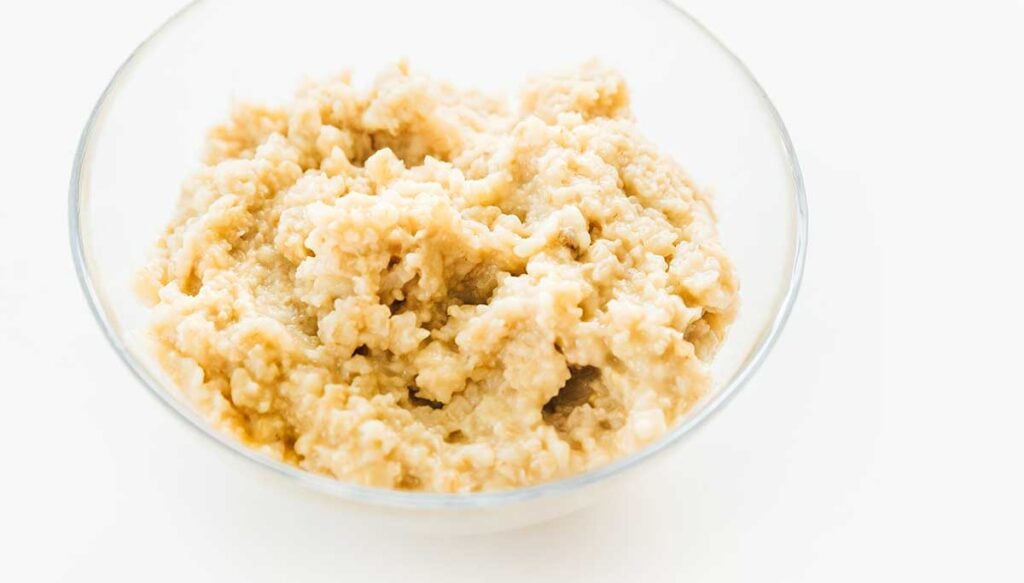
How To Cook Instant Oats
Combine ½ cup instant oats with 1 cups water. Bring to a simmer, uncovered, and cook for 1 to 2 minutes, or until oats are tender and water is absorbed. Alternatively, cook for 2 minutes in the microwave.
How to Store Oats
For long-lasting storage, keep your oats away from moisture, heat, and air. You can store them in an airtight container either in the pantry or freezer for about 1 year.
Our favorite oat recipes
- Sweet Potato and Oat Cookies
- Coffee and Oat Smoothie
- Apple Pie Overnight Oats
- Egg White Oatmeal
- The Basics of Overnight Oats (7 Flavors!)
- Strawberries and Cream Oatmeal

Rolled Oats Nutrition Information
per 1/2 cup dry rolled oats (48 g)
- Calories: 190
- Carbohydrates: 32 g
- Fiber: 5 g, 20% of Daily Value (DV)
- Protein: 7 g
- Fat: 3.5 g
- 30% DV of Thiamin (Vitamin B1): A water-soluble vitamin that turns your food (carbohydrates) into fuel (glucose). People at risk for deficiency include those with Crohn's Disease, alcoholics, and those undergoing kidney dialysis.
- 20% DV of Zinc: A mineral important in strengthening your immune system, healing wounds, and maintaining your sense of taste and smell.
- 15% DV of Iron: A major component of hemoglobin, the proteins that make up red blood cells and carry oxygen around the body. This is a non-heme source, meaning it does not come from an animal, and is not absorbed as well as heme iron.
What Are Slow Cooked Oats
Source: https://www.liveeatlearn.com/oats/
Posted by: thorntontheaborth.blogspot.com
0 Response to "What Are Slow Cooked Oats"
Post a Comment